Buying or renting solar panels for your home? Here’s what you need to know about protecting your investment.
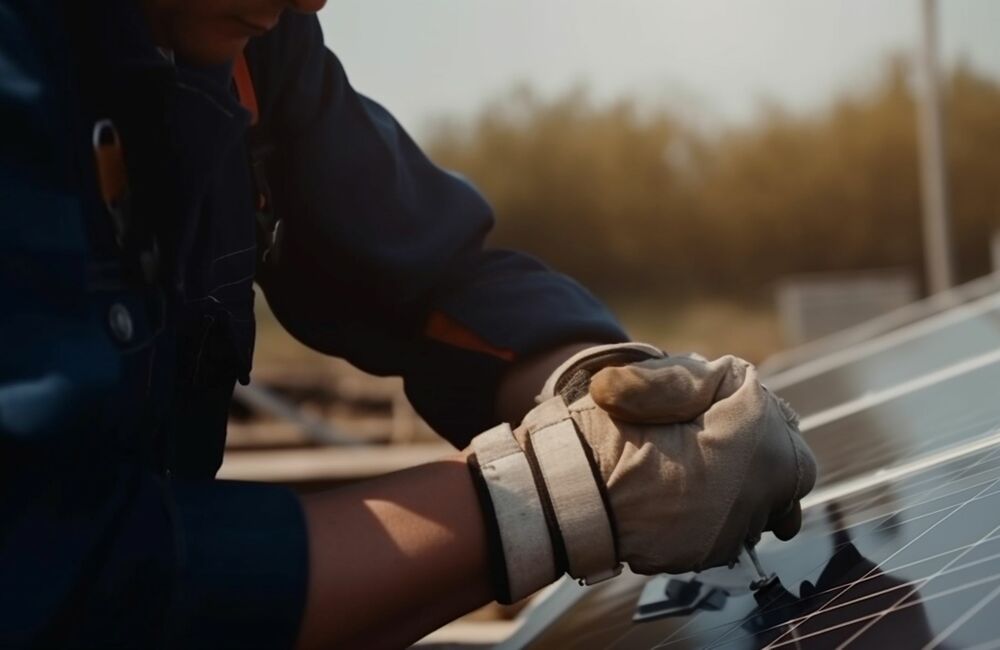
The past year has seen a significant increase in the number of people looking to invest in solar technology for household use. However, despite the convenience, cost-saving and home upgrading potential that comes with renting or owning solar panels, it also comes with several risks.
According to Karen Rimmer, Head of Distribution at PSG Insure, the appropriate type and level of insurance cover can provide a buffer against unexpected financial losses caused by the damage, destruction, or theft of solar equipment. It is equally important for the insured to have a clear overview of what they are covered for and what their responsibilities are in terms of managing the related risks.
Choosing the right type of cover
“From an insurer’s point of view, solar panels will qualify as permanent fixtures or fittings to a home. This in turn, would mean that the sum insured on your Building/Homeowners insurance policy will need to be updated accordingly, so that in the event of a claim, the payout will include the replacement or repair cost of the solar panels,” she says.
In the case of someone who is renting a property and has chosen to install solar panels on their rental property, this will of course need to be authorised by the property owner or the building’s body corporate. Following this, the tenant can, depending on which insurer they are making use of request that the value of the solar panels is included in the sum insured on their home contents insurance policy. Other insurers may have separate sections under which solar panels must be included. This approach will vary from insurer-to-insurer.
“There are also instances in which individuals find it more financially viable to rent solar panels rather than purchasing them. In these situations, it’s important for the individual to have a clear understanding of the equipment rental contract and whether it stipulates that the onus to ensure that the panels are covered in the event of a loss, falls on the company renting out the panels or the individual.”
Requirements to look out for
Rimmer explains that: “When it comes to insuring solar panels, there is no one-size fits all solution, simply because every client’s needs will be different and each insurer will provide cover according to their unique product offering. For this reason, it’s vital to read the terms and conditions as laid out in the policy document, paying close attention to what you are covered for, what the prerequisites are for cover to be in place and any exclusions that apply.”
All insurers require that the solar installation is carried out by a certified installer who can issue a certificate of electrical compliance (COC) upon completion of the job.
In addition, installations need to abide by several industry standards called South African National Standards (SANS), which are a set of building standards and codes that are used to ensure the safety, health, and sustainability of buildings. In all cases, insurers will require an engineer’s certificate to be submitted, which can verify that the installation was completed in accordance with these standards.
Some of the standard exclusions
Policy wording will outline which exclusions may apply. Some of these may include electrical failures, any defective or non-compliant components under the SANS codes, any components covered by a manufacturer’s warranty, ordinary wear and tear and electrical grid failure.
As Rimmer concludes, “in discussing potential insurance coverage options, it’s crucial for the cover to be tailored to your needs, with full disclosure of both coverage and exclusions. Additionally, it’s important that you are well-informed about the installation regulations governing backup generators and solar systems.”
Furthermore, it is necessary to understand the maintenance procedures for these systems is also essential to ensure their continued functionality and longevity. Armed with this information, consumers can make informed decisions and effectively manage their investment in backup power solutions with the appropriate level of diligence and care.
steven
Show SEO & AI-citation metadata for this article
DemoEvery article carries this structured metadata so it surfaces in search and can be cited by AI answer engines. In the back end, a person posting fills these in, or the AI layer drafts them.