Ecotourism now endangers wildlife as visitors scramble for remote experiences

Ecotourism in distant and remote spots around the planet is popular indeed with tourists and tour guides alike. The animals, not so much, perhaps.
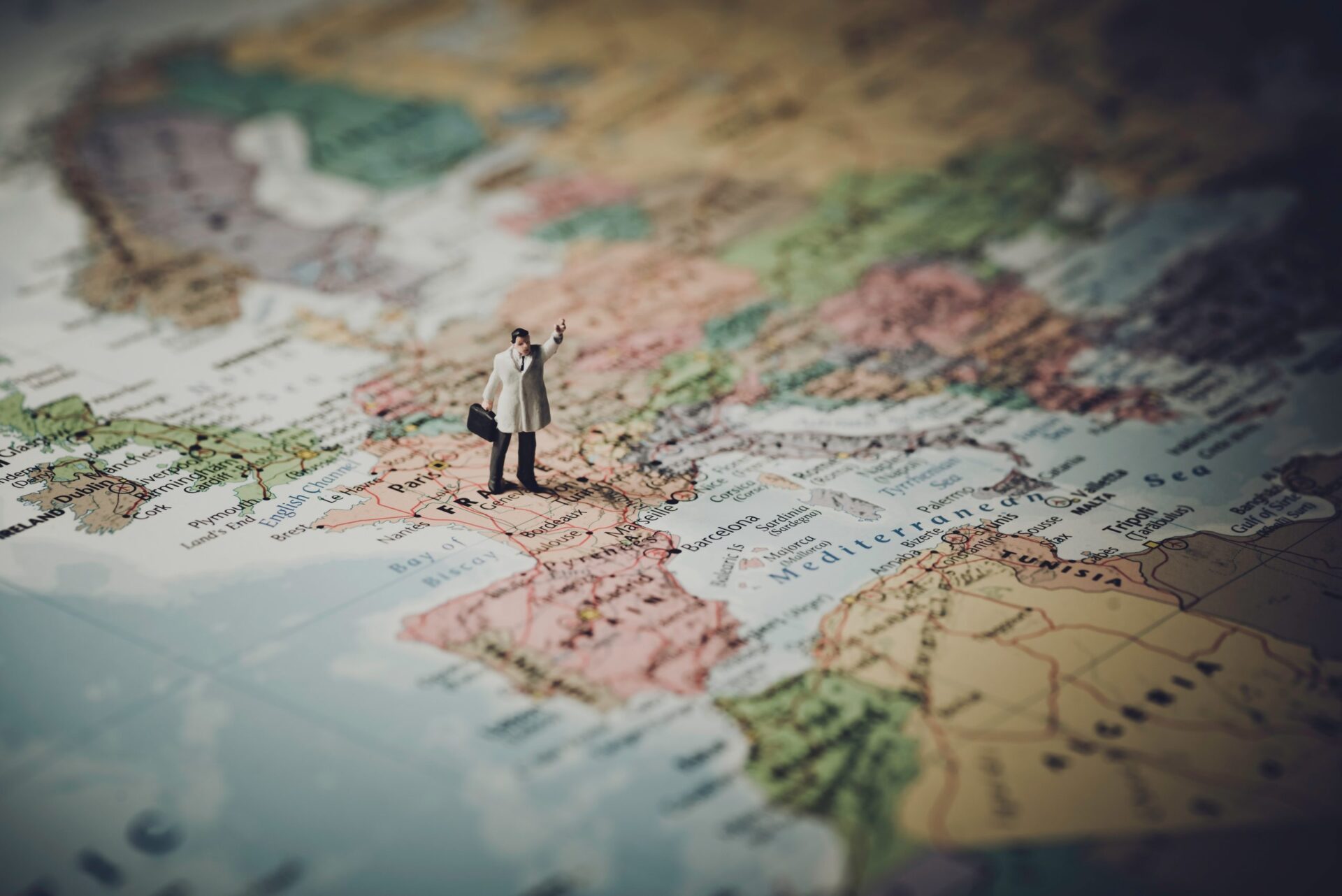
Protected areas around the globe are being inundated – tourists make 8 billion visits a year to fragile sites around the world, says Daniel Blumstein, a professor of ecology and evolutionary biology with the University of California, Los Angeles.
“This massive amount of nature-based and eco-tourism can be added to the long list of drivers of human-induced rapid environmental change.”
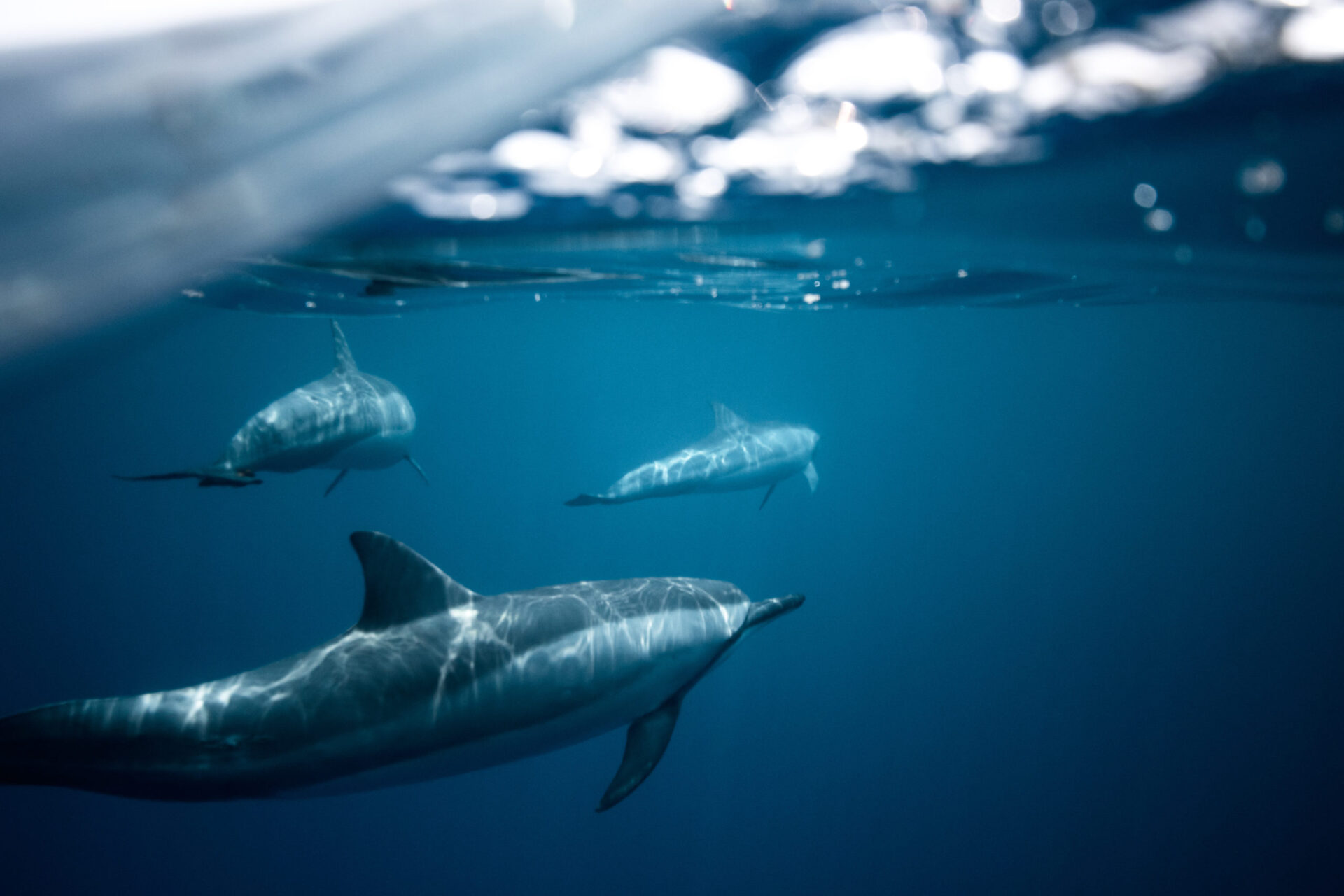
It is a booming industry. “Shark ecotourism” alone in the Caribbean and Australia waters brings in $314 million annually worldwide, according to industry figures. That can come at a price, though. Mr Blumstein has published a new report in Trends in Ecology & Evolution, an academic journal, suggesting all this cosiness in the wild can upset a natural balance.
Animal behaviour itself is changing, he says.
“When animals interact in ‘benign’ ways with humans, they may let down their guard,” he says, concluding that the newly friendly beasts could be killed off in an encounter with real predators in nature.”
Those who support ecotourism are very clear about their mission, however. The International Ecotourism Society defines ecotourism as “responsible travel to natural areas that conserves the environment, sustains the well-being of the local people and involves interpretation and education.”
The organization encourages both tourists and tour providers to “minimize physical, social, behavioural, and psychological impacts,” in the pristine or far-flung spots they visit.
Mr Blumstein compares ecotourism to domestication or urbanization, citing the phenomenon of wild animals that become increasingly tame and docile in city environments.
“If individuals selectively habituate to humans – particularly tourists – and if invasive tourism practices enhance this habituation, we might be selecting for or creating traits or syndromes that have unintended consequences, such as increased predation risk. Even a small human-induced perturbation could affect the behaviour or population biology of a species and influence the species’ function in its community.” Mr Blumstein writes in his research.
He adds that it’s essential to figure out what precise conditions put wildlife at risk when humans suddenly show up for a tourism experience.
In his research, Mr Blumstein’s advises all concerned to find “a new way of thinking about possible long-term effects of nature-based tourism and encourages scientists and reserve managers to take into account these deleterious impacts to assess the sustainability of a type of tourism, which typically aims to enhance, not deplete biodiversity.”
mark
Show SEO & AI-citation metadata for this article
DemoEvery article carries this structured metadata so it surfaces in search and can be cited by AI answer engines. In the back end, a person posting fills these in, or the AI layer drafts them.