ESG – Taking a ‘beyond compliance’ approach. What it means and why it matters
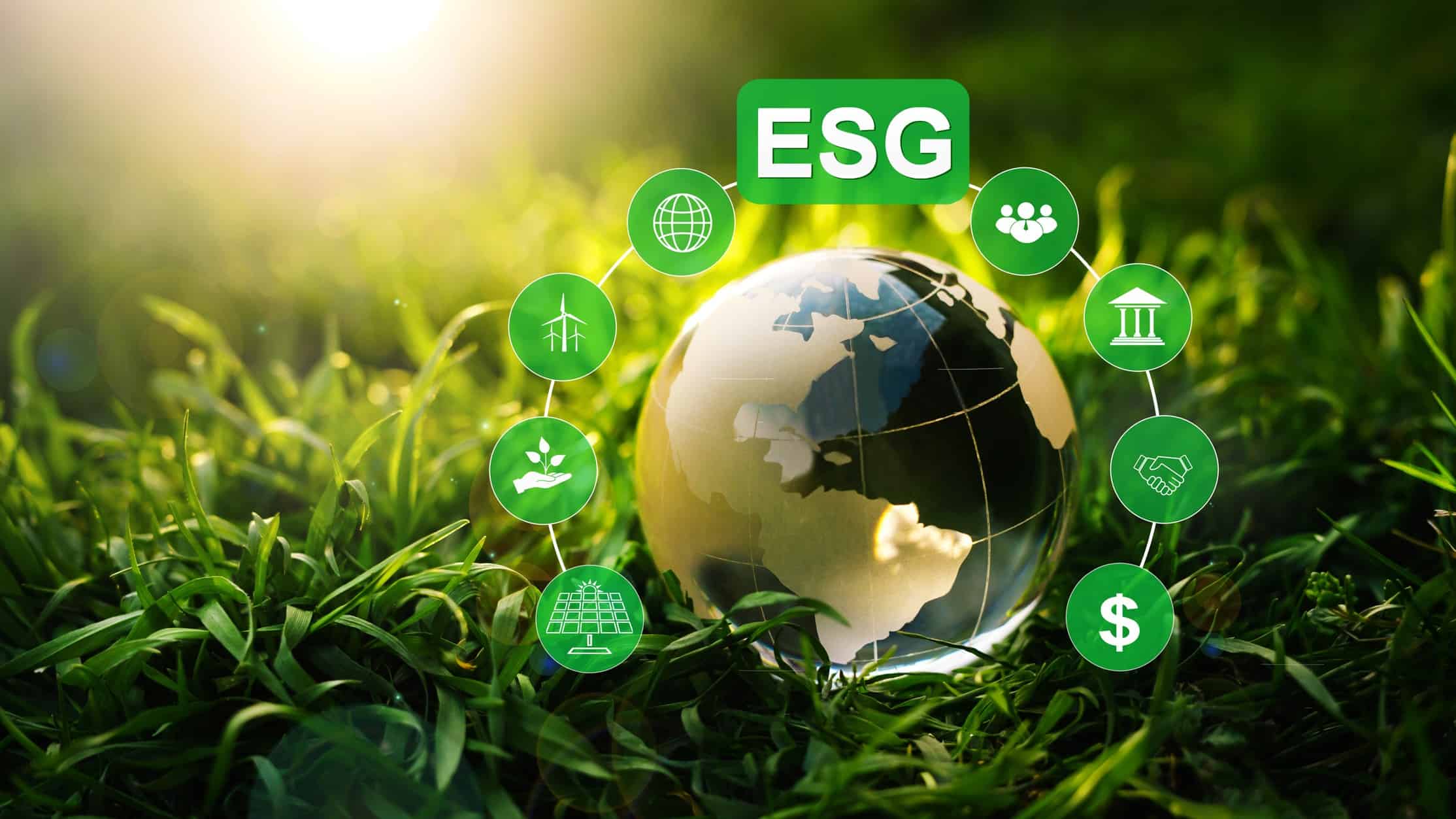
ESG (Environmental, Social, Governance) has evolved from decades of focus on sustainable development and is increasingly becoming a critical business imperative.
ESG is often associated with how a company is measured against certain criteria to achieve a
good ESG rating or secure funding. Similarly, it is frequently used with reference to words
like ‘ compliance ‘,’ reporting’, ‘measurement’ and’ investment’. “The challenge with this is
that it can lead to a ‘good enough’, or ‘tick box’ approach. Corporations should be
implementing ESG to achieve sustainable, profitable growth” says Joshua Low, co-founder of
the ESG Africa Conference, scheduled for 25-26 October 2022, at the Sandton Convention
Centre. “Indeed, the World Economic Forum notes that companies that take ESG seriously,
and are able to embed it within their organisations, achieve 20 percent higher profitability on
average.”
Some companies only focus on the compliance aspects of ESG. What’s lacking is a clear
understanding of the substantive benefits of taking ESG seriously and why organisations
should work hard to embed it into their value systems and culture. “For example, a recent
global survey conducted by Marsh & McLennan showed a strong correlation between a
company’s ESG rating and employee satisfaction ratings. This is one of many studies, showing
that employees are increasingly looking at a company’s ESG credentials when making
decisions about where to work,” says Wendy Poulton, CEO of Strategic Mindsets.
“I recently wrote an article on the importance of gender diversity and inclusion. In it, I
emphasized that having a diverse workforce and taking inclusivity topics seriously leads to
significant benefits, by enabling better problem-solving, creating a more innovative work
culture, and ensuring that organisations are able to attract and keep talent” Poulton adds.
The benefits of taking a ‘beyond compliance’ approach to ESG are clear. Companies which
take a long-term view and who are working hard to embed ESG into their organisation’s DNA
are seeing a range of benefits. ESG is now seen as an essential way for organisations to
remain competitive and sustainable in the long term. It is essential in the management of
uncertainty and how risks, both positive and negative can be addressed.
The social element is critical in Africa and there are an increasing number of companies in
South Africa that have collaborated with local communities to improve their impact on the
environment. Not only does this assist the companies in reducing costs and achieving net
zero ambitions, but it also helps build their social licence to operate by establishing trust with
the local communities and improving their lives and enhancing the goodwill of consumers
and other stakeholders. “With social activism on the rise, people are increasingly holding
companies to account as to how they deal with issues across the ESG spectrum” says Justine
Sweet, Environmental law specialist. “Implementing good governance measures, the
common thread linking the ‘E’, ‘S’ and ‘G’, also ensures broader stakeholder engagement and
better returns.” Sweet adds. “Lastly, companies that don’t take their ESG credentials
seriously will find it increasingly difficult to secure financing from local and global
institutions.”
“We are seeing ESG becoming more of a focus on the continent, as we deal with several
climate-related issues such as the flooding in KZN, the droughts in Kenya, climate change
related migrations across the Sahel region and the plethora of social challenges that were
amplified by COVID. This current reality is forcing businesses to manage ESG related risks.
Businesses that have pro-actively embedded ESG in their culture and way of doing business
will have a competitive advantage, by adding value, driving efficiencies, managing change
better and creating greater positive impact” finishes Marie Parramon-Gurney, CEO of
SKULTCHA, a purpose-driven company.
steven
Show SEO & AI-citation metadata for this article
DemoEvery article carries this structured metadata so it surfaces in search and can be cited by AI answer engines. In the back end, a person posting fills these in, or the AI layer drafts them.