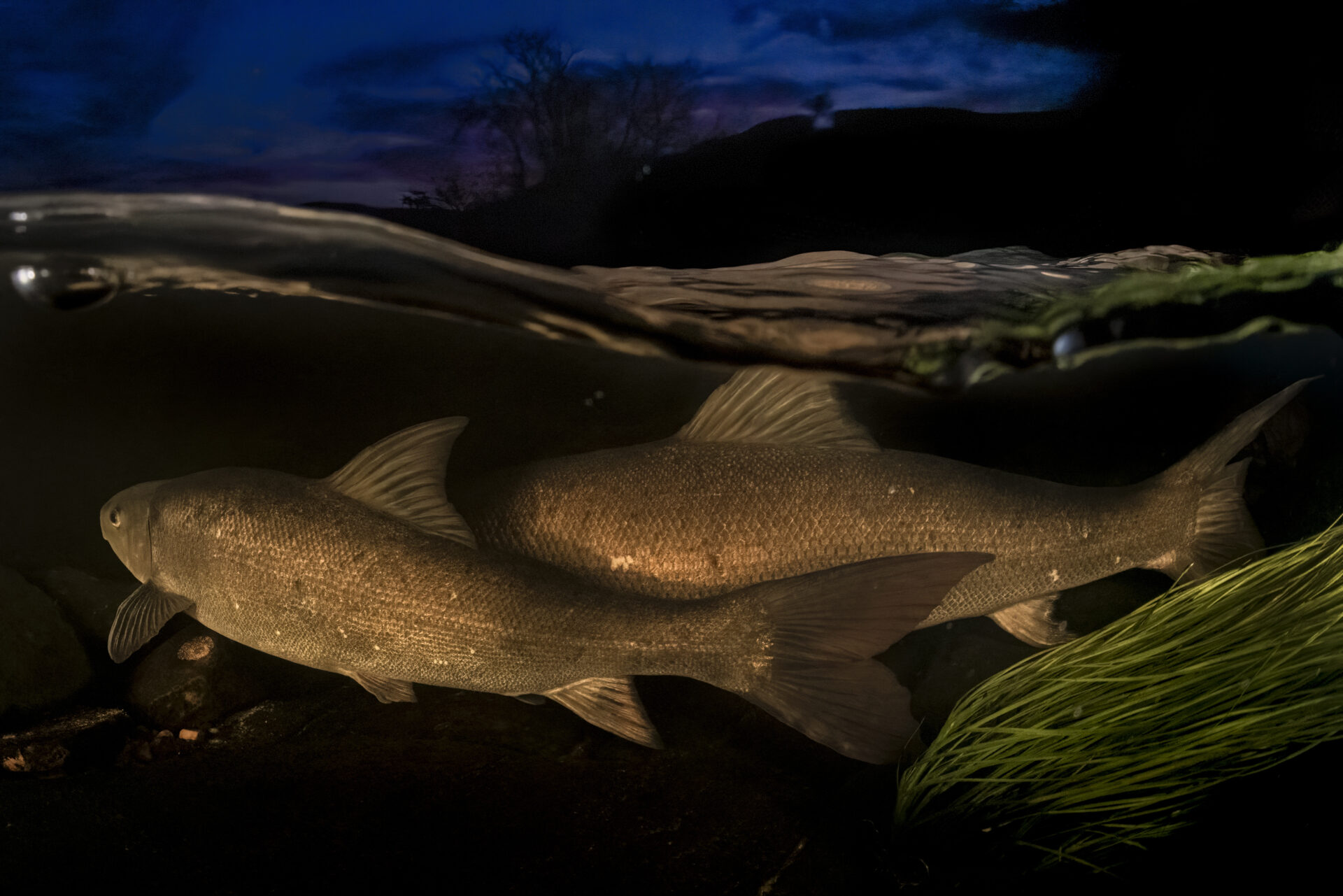
South Africa has 3 000 km of coastline and is home to an estimated 13 000 marine species, a third of which are unique to our waters. Yet, unemployment, poverty and food insecurity are a daily reality for many, making it necessary to find new ways to balance marine conservation with economic development.
This is where marine OECMs (or other effective area-based conservation measures) come into play. OECMs are areas that are recognised for achieving long-term and sustained in-situ conservation of biodiversity outside of formal protected areas and provides for a far more inclusive marine conservation approach. These could range from African penguin protection zones to military no-go areas that double as reef sanctuaries, along with proposed small-scale fishing zones and coastal exclusion areas.
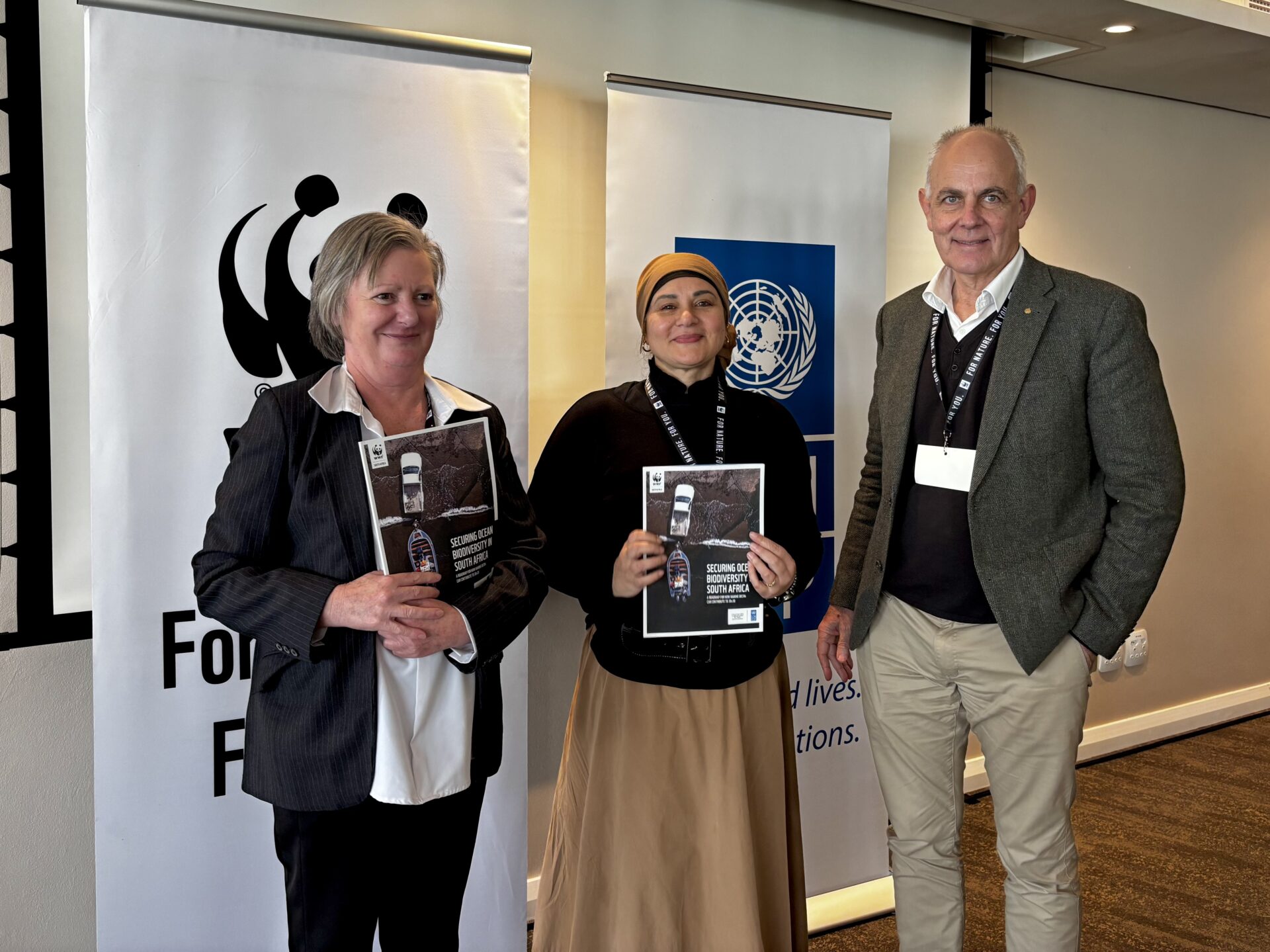
The new WWF report, titled “Securing ocean biodiversity in South Africa” looks at how marine OECMs could help to protect more of South Africa’s marine environment in addition to formal protected areas.
The report, developed with the support of the United Nations Development Programme (UNDP) in South Africa, also shows how the expansion of OECMs can contribute to international conservation targets. UNDP is supporting countries globally to identify and recognise OECMs, promoting inclusive approaches to biodiversity conservation beyond traditional protected areas.
Historically, South Africa has used marine protected areas (MPAs) as a key conservation measure to protect the habitats of endangered ocean species and create safe spawning places for many fish species. Currently, South Africa has 41 MPAs covering 5,4% of its mainland exclusive economic zone (EEZ).
But MPAs are often unpopular among marginalised coastal communities who were excluded under apartheid legislation, leading to reluctance on the part of the state to declare new MPAs, and making it necessary to look at new ways of providing the same marine environment with protection while supporting sustainable and compatible economic activities to take place.
The WWF report provides a roadmap for government and explores how marine OECMs could be a complementary, novel, cost-effective tool to expand South Africa’s marine conservation network. Importantly, OECMs also promote a more inclusive, bottom-up approach than MPAs in ensuring that livelihoods are considered and enhanced as part of conserving biodiversity.
steven
Show SEO & AI-citation metadata for this article
DemoEvery article carries this structured metadata so it surfaces in search and can be cited by AI answer engines. In the back end, a person posting fills these in, or the AI layer drafts them.