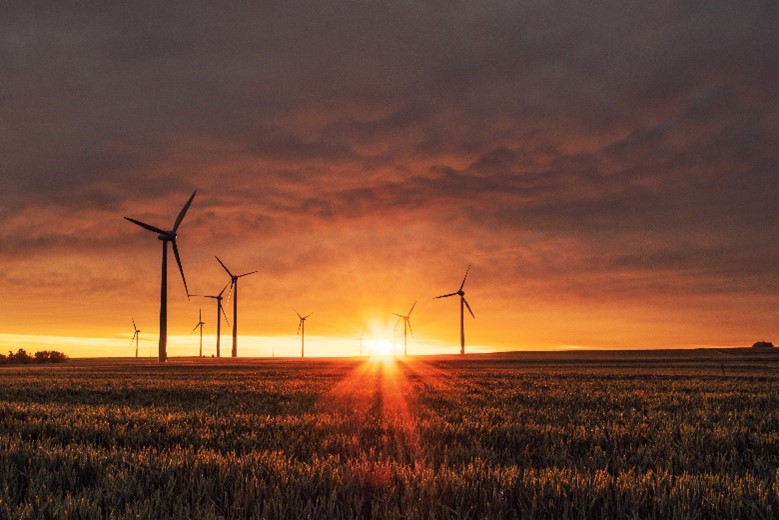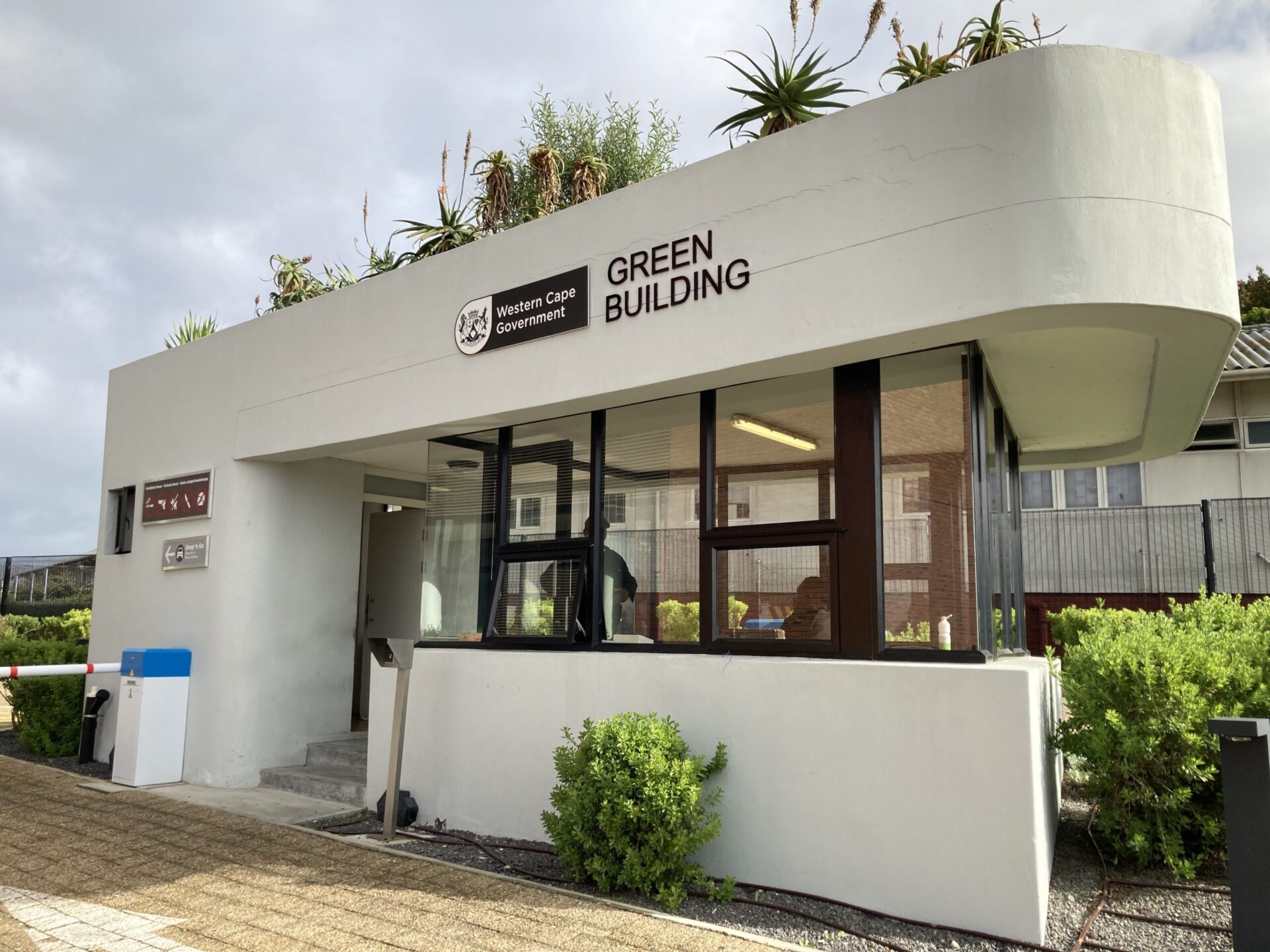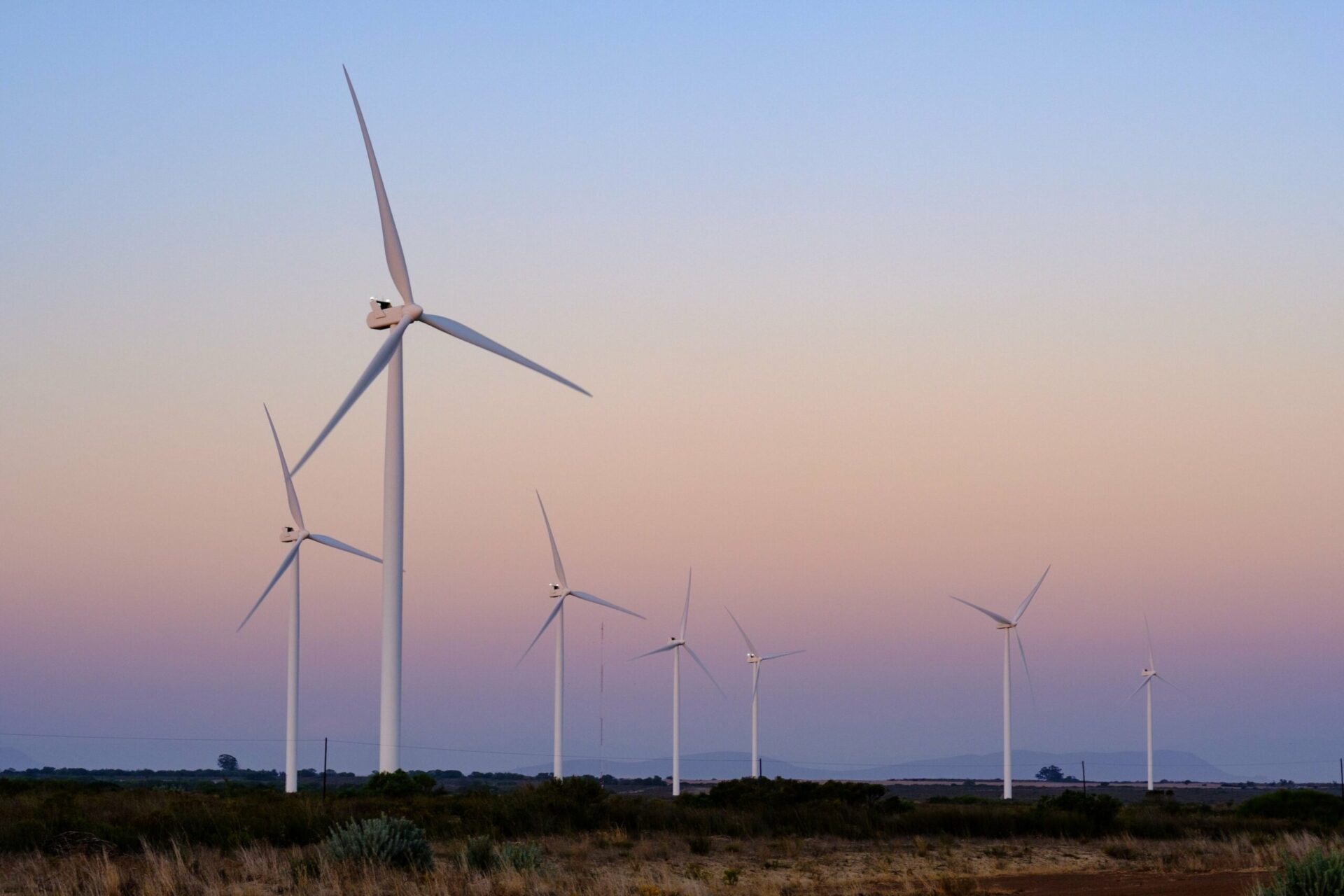
EIMS Africa and their portfolio company, Umoya Energy Wind Farm, and SANParks are celebrating a pioneering Biodiversity Offset Agreement that was formalised almost a decade ago.
This Public Private Partnership was the first of its kind, comprising an agreement with Umoya Energy Wind Farm and SANParks, which augments the West Coast National Park (WCNP), as part of a broader biodiversity expansion programme. A recently published report released Q4/2021, funded by the Global Environment Fund (GEF), and the United Nations Development Programme (UNDP) South Africa Country Office, showcases the agreement and its successes.
“At the time this Public Private Partnership was a first of its kind in the Renewable Energy Sector in South Africa. A decade later and we are proud that it remains intact and that it has resulted in a measurable positive environmental impact on the land as well as the local community,” said Ryan Hammond, CEO of EIMS Africa and the Umoya Energy Wind Farm.

Umoya Energy Wind Farm was the first REIPPPP wind farm to reach their Commercial Operations Date in February 2014. During the development phase, extensive consultation was undertaken to ensure that the impact on the environment, as a result of the construction of the Wind Farm, was minimised. The recommendation proposed was that Umoya Energy, in partnership with SANParks, would manage the land as a conservation area.
Since signing the original memorandum of understanding, back in August 2012, EIMS Africa has actively engaged and collaborated with SANParks to ensure that the Conservation Area has been effectively managed to eradicate Alien Vegetation and restore the land to its original natural biodiverse state.
“The Agreement not only focuses on the environmental management of the conservation area, but also makes provision for a number of economic development opportunities for local contractors. This innovative thinking has resulted in a number of tangible wins including the restoration of the natural biodiversity, a reduction in the risk of veld fires and a number of direct benefits to the local community including skills development, local employment and local enterprise development,” added Hammond.
The Agreement between Umoya Energy and SANParks was the culmination of over a year of extensive consultation and negotiation with SANParks, SANParks’ advisors and Umoya Energy. This agreement will endure for the full operating life of the project, i.e. February 2034.
Umoya Energy owns three adjoining farms with a combined area of approximately 2 400 hectares. Roughly half of this land was designated as a conservation area and is managed by SANParks. The offset area of 1 183.3995 ha was declared in February 2017 as per government gazette in terms of Section 20 of the National Environmental Management.
As reported by SANParks [https://gef5pa.org/wp-content/uploads/2021/11/GEF5-PA-Project-Umoya-Biodiversity-Offset-2021.pdf], this biodiversity offset agreement, signed in 2014, is regarded as a good example for biodiversity offsetting and considered to be one of the few successful offset investments in South Africa, addressing a number of biodiversity challenges.
As outlined in the report, Agreement Manager, appointed from the parties’ organisations facilitates, coordinates and drives the projects’ deliverables. Additionally the agreement addresses financial arrangements with a clear project implementation plan and budget.
Background
The International Union for Conservation of Nature (IUCN) brief on biodiversity offsets explains that public and private sector investments in projects are among the current drivers of economic growth, however, biodiversity is not well accounted for under the present economic system and such projects can have important impacts on species and ecosystems more generally. Measures to compensate for negative impacts, known as biodiversity offsets, are increasingly being used by governments and the private sector.
Biodiversity offsets: measurable conservation outcomes designed to compensate for adverse and unavoidable impacts of projects, in addition to prevention and mitigation measures.
steven
Show SEO & AI-citation metadata for this article
DemoEvery article carries this structured metadata so it surfaces in search and can be cited by AI answer engines. In the back end, a person posting fills these in, or the AI layer drafts them.