Scientists in Madagascar make a breakthrough with the hatching of endangered Rere turtle eggs
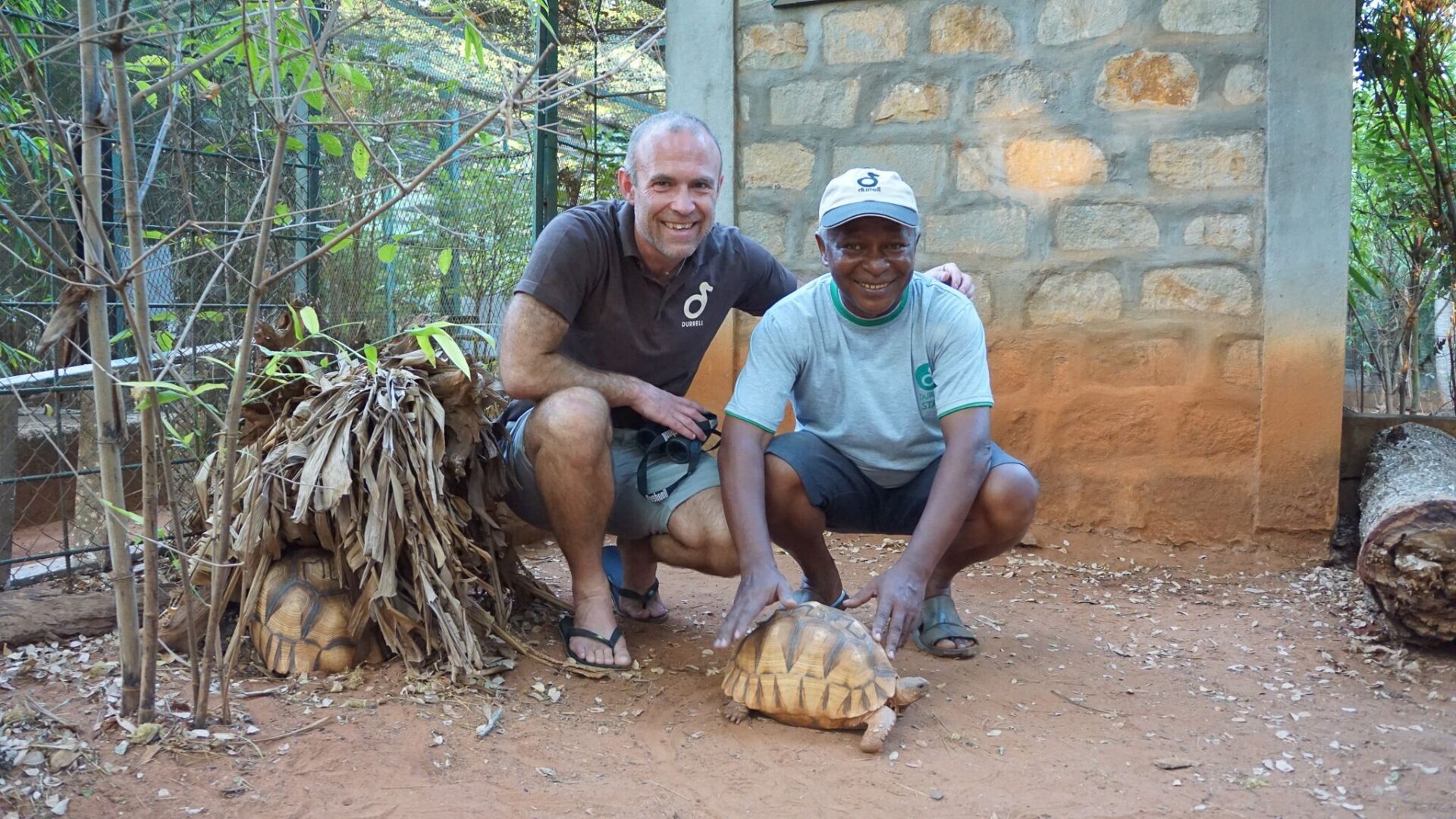
The hatching of Rere (Madagascan big-headed turtle) eggs at the Durrell Wildlife Conservation Trust’s Ampijoroa breeding facility in Madagascar marked a significant achievement. This is because the species hasn’t been bred there since 2017. Over 200,000 species (most of them exclusive to Madagascar) are under severe threat, with many facing extinction, including the Goodman’s Mouse Lemur. Durrell has been working for nearly 40 years to save as many as possible, like the Rere, from extinction.
Alex Shears, Durrell’s communications director, emphasises the importance of connecting people to nature to foster pro-environmental behaviours. Chris Ransom, Director of Field Programmes, stresses the necessity of involving local communities in conservation efforts, as over 80% of Madagascar’s population lives in poverty and relies on natural resources for survival. Deforestation is a major issue, with 80% of the island’s forests lost, threatening endemic species like lemurs, fossa, and tenrec.
Durrell’s approach integrates species conservation with ecosystem restoration, working closely with communities to improve their livelihoods through sustainable practices. The organisation’s focus on 11 key species, including the Ploughshare tortoise and Madagascar pochard duck, has seen notable successes. The Ploughshare tortoise, targeted by poachers, is now protected by hi-tech surveillance and a secure enclosure. Similarly, the Madagascar pochard duck, once declared extinct in the wild, has been reintroduced and is now thriving.
Despite these efforts, the challenges remain immense. Madagascar’s environment has been severely degraded, and the conservation of species like the Alaotran gentle lemur (Bandro) is complicated by habitat destruction for rice plantations. Durrell uses innovative methods like drones and thermal imagery to survey and protect these elusive lemurs.
Reforestation and habitat restoration are critical components of Durrell’s work, with significant efforts being made to plant native trees and restore marshes and mangroves. This comprehensive approach aims to rebuild ecosystems and ensure the survival of Madagascar’s unique biodiversity. The work of the Durrell Wildlife Conservation Trust, supported by organisations like Oppenheimer Generations Research and Conservation, demonstrates the profound impact of dedicated conservation efforts towards improving the state of the environment, as well as human livelihood.
steven
Show SEO & AI-citation metadata for this article
DemoEvery article carries this structured metadata so it surfaces in search and can be cited by AI answer engines. In the back end, a person posting fills these in, or the AI layer drafts them.