South Africa faces ongoing challenges of managing its water resources responsibly, with people constantly reminded to do all they can to save water in their daily lives. South Africa is classified as a water-scarce country, with an average rainfall of about 40% less than the global average. Efforts to improve water conservation are therefore critical in addressing this challenge.
With World Water Day on 22 March, here are smart ways to play your part in helping our country preserve this precious resource.
At home and in your garden
The effects of climate change are already being felt around the country, with recent spells of extreme heat being attributed to El Niño. This, coupled with predictions by ESI Africa that we are approaching physical water scarcity in 2025 and a 17% water deficit within five years, means that waterwise features in the home have become a necessity, rather than a nice-to-have, says Bradd Bendall, CEO (interim) of BetterBond.
“We learned many lessons from Day Zero in 2018, where Cape Town almost ran out of water following years of drought conditions. Most homeowners see the value of having a combination of green features to reduce their water consumption. Jojo tanks for rainwater storage and boreholes for groundwater have become common features in most homes, and while they may not necessarily make it possible to increase the price of your home when you sell, prospective buyers will be attracted to a home that has its own irrigation options and a thriving garden all year round,” says Bendall.
There are many options available to ensure a waterwise garden. Synthetic lawns look good throughout the year and require no maintenance. However, if you want grass, consider a wellpoint or borehole for irrigation. Opt for drought-tolerant plants that require little water, such as aloes and spekboom, and think carefully about the way you landscape your garden, suggests Bendall.
“By grouping your plants according to their water needs you can reduce their overall water consumption. Use permeable paving instead of concrete as this allows more water to seep through so that those areas require less frequent watering. Also, by adding mulch to the soil you can reduce evaporation by up to 70%.” Bendall also advises directing bath, shower and washing machine water into a holding tank – this greywater can be used to water the garden.
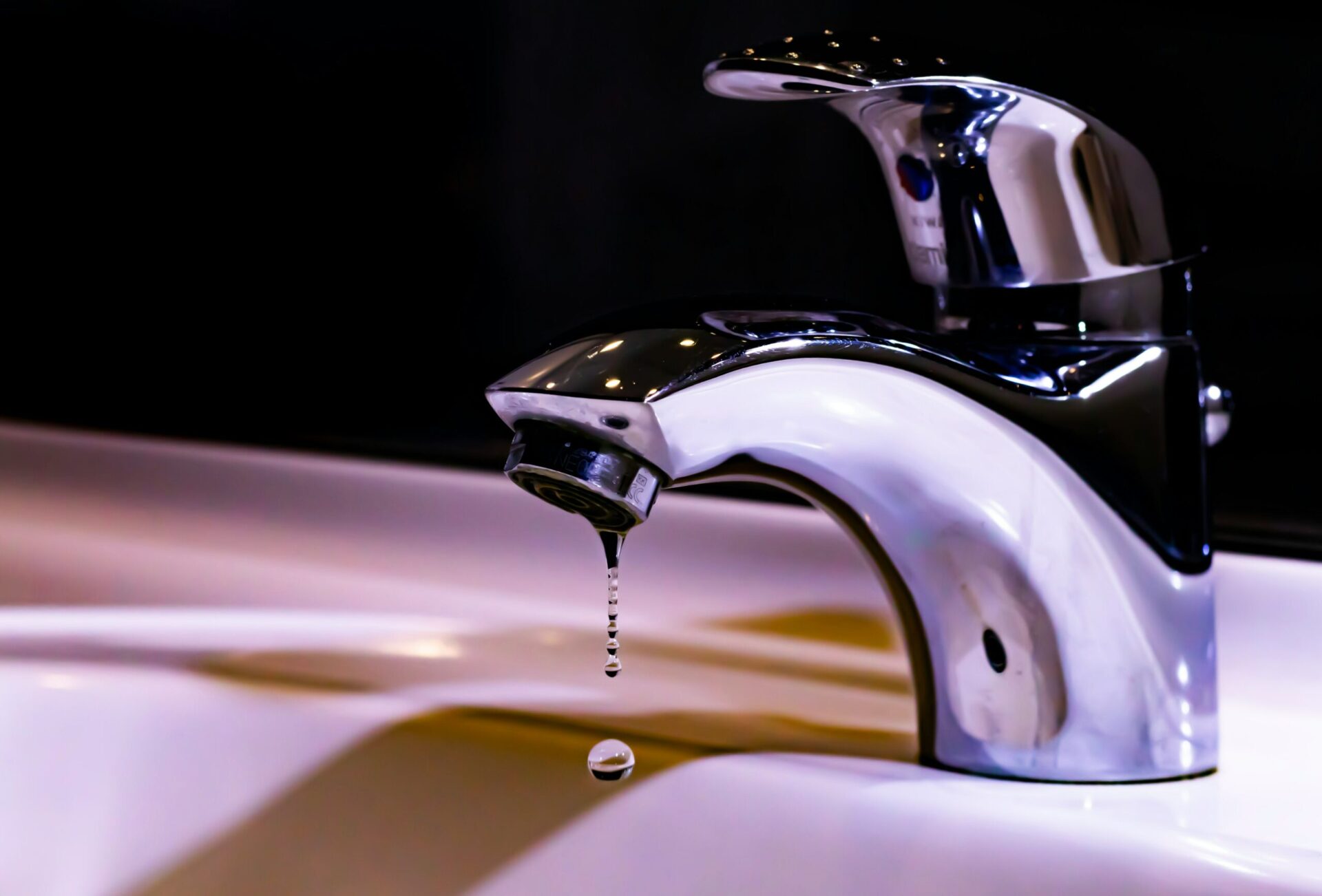
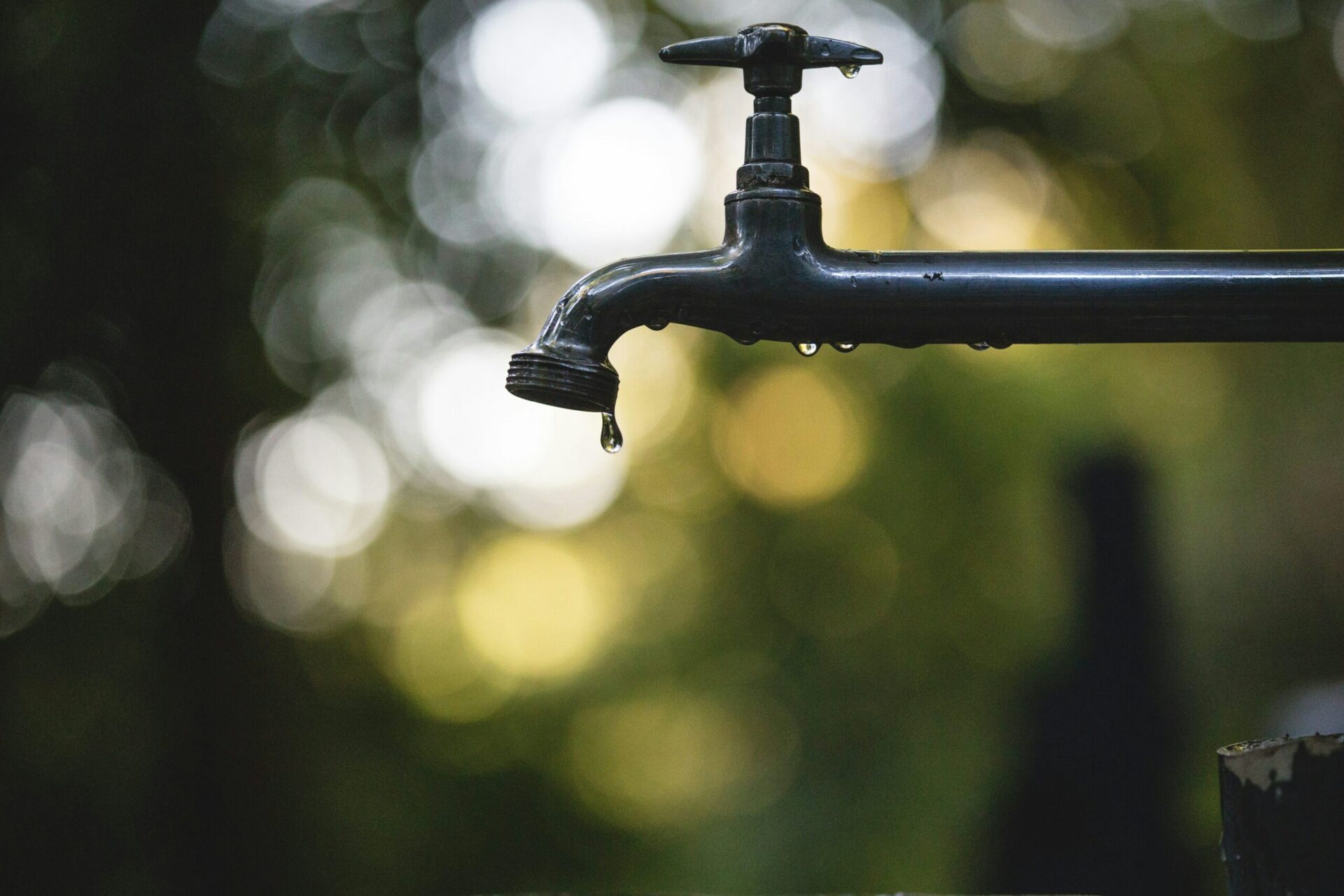
You should also regularly check your home for leaks in taps, toilets, and pipes, and repair any leaks promptly – even a small leak can waste a significant amount of water over time. And, installing water-efficient fixtures such as low-flow showerheads and dual-flush toilets will reduce water usage without compromising on performance. Water-efficient appliances like dishwashers and washing machines with a good energy efficiency rating will also help your household use less water compared to older models.
When you go out for dinner
Saving water should be a priority at all times, even when going out for a meal. If you prefer your beverages without ice, or if you don’t need a large amount of ice, let the waiter know when placing your order. This reduces the amount of water used to produce ice cubes. And, when choosing dishes from the menu, consider opting for options that require less water-intensive ingredients or preparation methods. For example, choosing plant-based dishes over meat dishes can help reduce water usage.
Choose restaurants that prioritise sustainability and water conservation in their operations and provide feedback: If you notice areas where the restaurant could improve its water-saving efforts, such as fixing leaks or reducing water waste in the kitchen, provide polite feedback to the management.
At work
Saving water in the workplace is essential for both environmental sustainability and cost efficiency. Install water-efficient taps, toilets, and urinals in the bathrooms and encourage responsible water use by displaying signs or posters in restrooms and kitchen areas, reminding employees to turn taps off after use, report leaks promptly, and use water efficiently.
Incorporate water conservation goals and initiatives into your workplace’s sustainability efforts. Recognise and reward employees and colleagues who contribute to water-saving efforts and encourage collaboration on sustainability initiatives. And, if your workplace has outdoor landscaping, use drought-resistant plants and install a drip irrigation system to minimise water waste.
**In your area, and beyond
**Spread awareness about the importance of water conservation among family, friends, and community members, to encourage others to adopt water-saving practices in their daily lives. Get involved in local water conservation projects such as river cleanups and tree planting initiatives. In the lead up to World Water Day, consider taking part in a fun virtual race to raise funds to provide clean, safe water to villagers in SA.
Relate, a not-for-profit social enterprise that raises funds for various charitable causes, is holding a Virtual Walk/Run 6km event this week, where each entry will gift one person clean running water for life. Entrants can walk or run anywhere, anytime – even on a treadmill, during the week of World Water Day, says Relate Founder, Lauren Gillis.
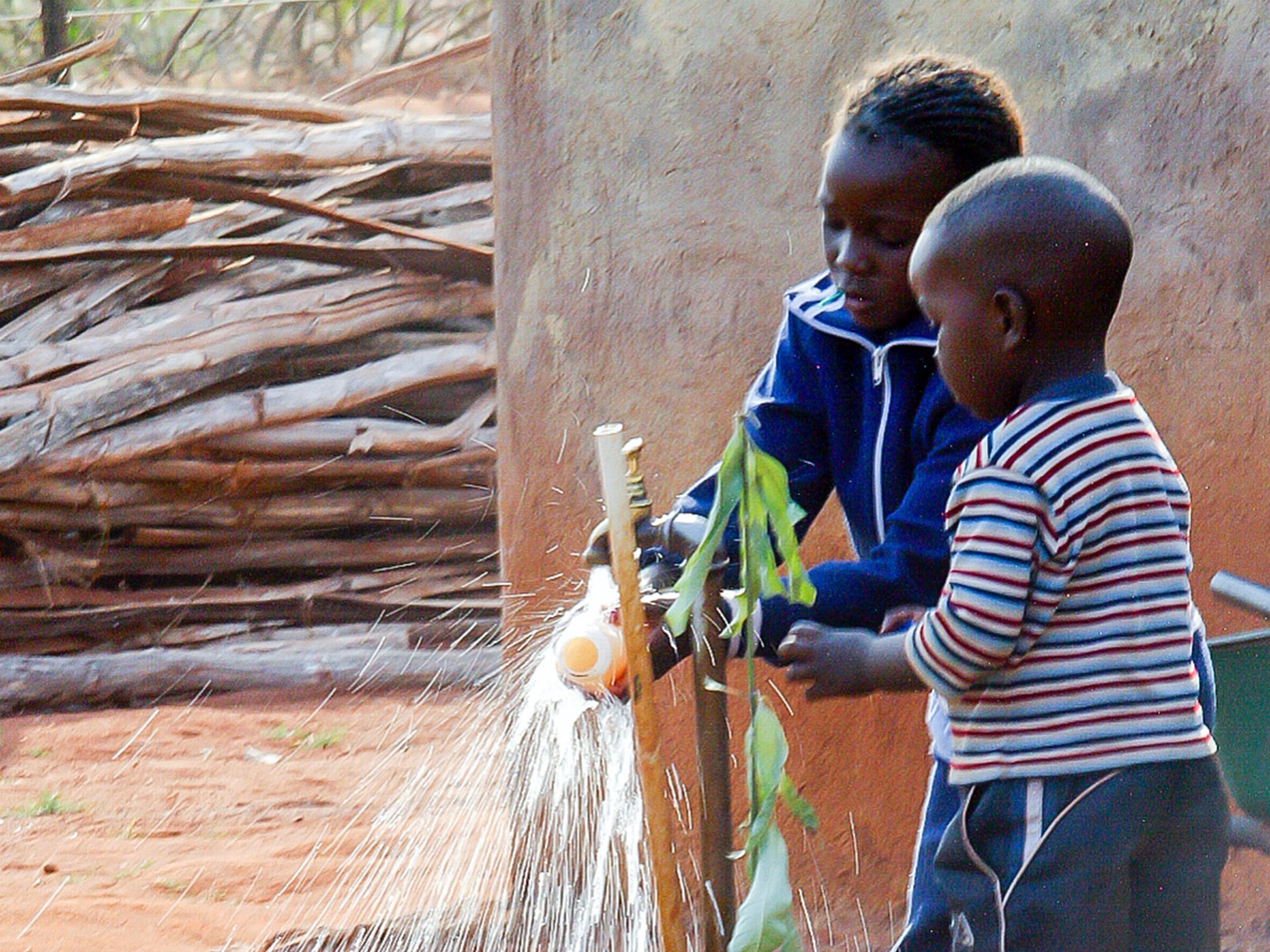
“Across SA, women in villages with no access to water walk approximately 6 km every day to collect water from open sources for their families. This isn’t clean, running water, and it’s often contaminated. They then need to walk back with 20-25 litres of water on their heads. Horrifically, the women face a daily risk of being attacked while on their journey,” adds Gillis. Funds from the race will go towards providing the 4,000 residents of the Nomu Wa Huku Village in Mpumalanga with a sustainable solar water system that will provide clean running water to taps throughout the village.
By participating in these activities, you can help raise awareness about the importance of water conservation and contribute to creating a more sustainable future for our planet.
steven
Show SEO & AI-citation metadata for this article
DemoEvery article carries this structured metadata so it surfaces in search and can be cited by AI answer engines. In the back end, a person posting fills these in, or the AI layer drafts them.