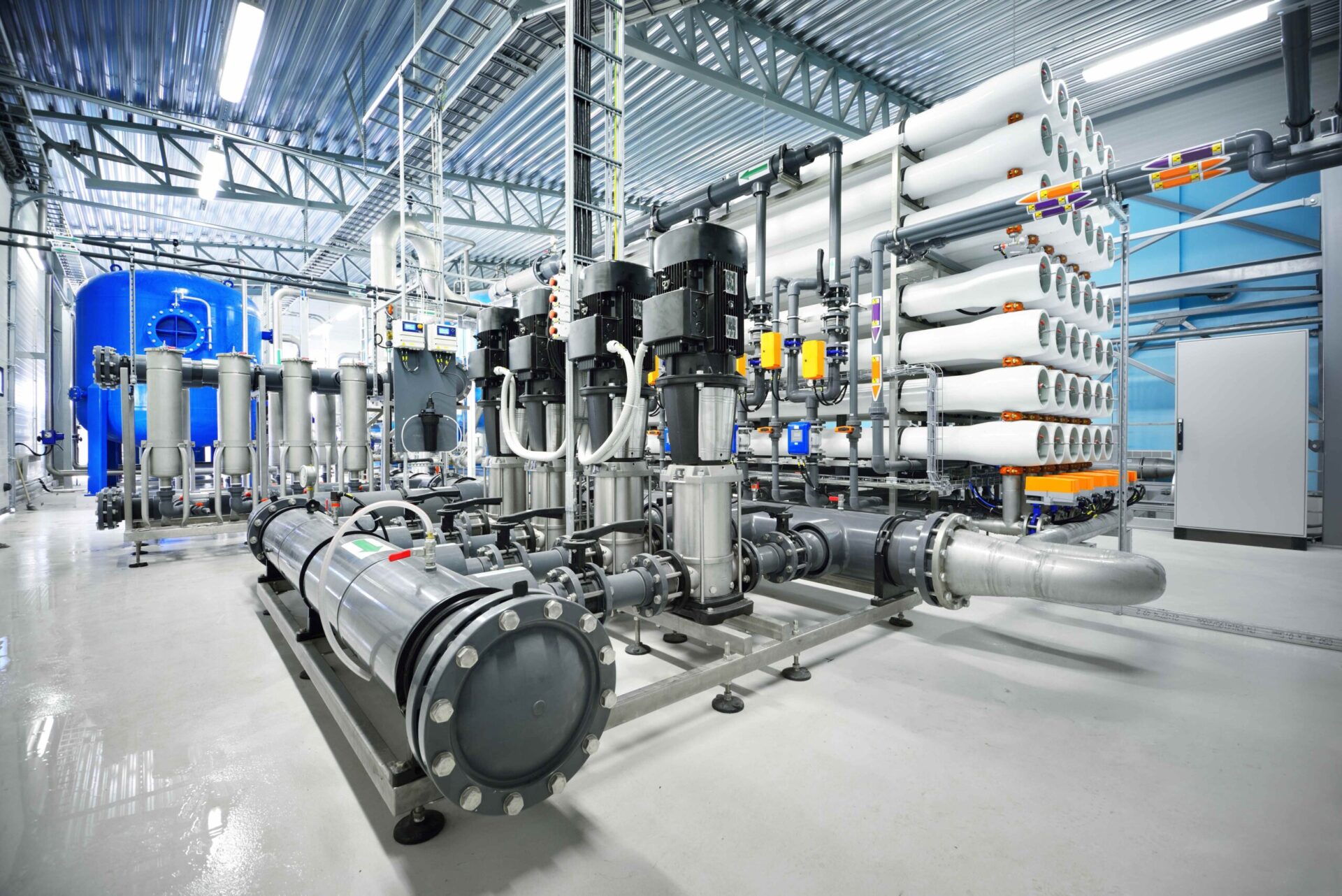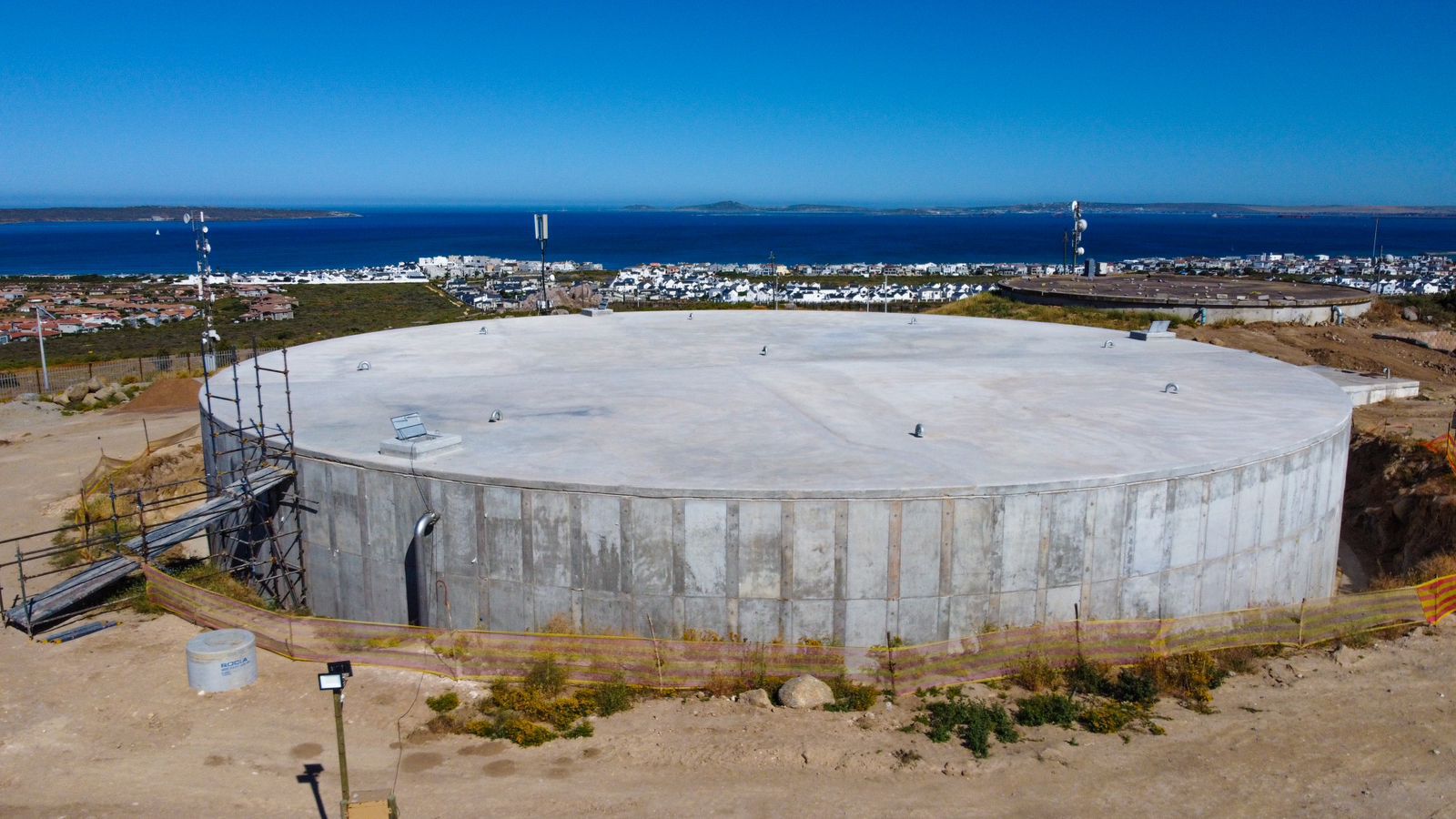
Proper maintenance of infrastructure and equipment is essential to prolong the usable life of these assets. With the right strategic approach, it also becomes a cost-effective solution.
As companies and municipalities face challenging economic times, they are required to get more out of their water infrastructure and equipment. By extending replacement cycles for pumps, filters, mixers, and other components, the costs of replacements are deferred. However, without regular maintenance, this approach can backfire — leading to underperformance, breakdowns, and eventually, expensive catastrophic failures that will necessitate replacement.
“Anyone who has driven an under-maintained car knows it’s a case of diminishing returns,” says Chetan Mistry, Strategy and Marketing Manager at Xylem Africa. “Fuel consumption goes up, performance declines, and once one thing breaks, it often triggers a domino effect of other issues. Similarly, with water systems, under-maintenance invites trouble, but unnecessary scheduled maintenance has its own drawbacks. The key is to strike a balance that ensures both longevity and cost-efficiency.”
This balance is why more private and public water system managers are turning to preventative maintenance agreements (PMAs).
The Maintenance Conundrum
Water infrastructure and equipment requires regular upkeep. For instance, filters and tanks may need annual inspections, while other components—though durable for several years, benefit from frequent checks. General inspections are also critical to discovering emerging issues such as leaks or component wear.
Despite its importance, maintenance is often seen as a grudge purchase. It involves costs, disruptions, and logistical headaches. Many site managers adopt an “if it’s not broken don’t fix it” attitude towards maintenance to avoid these difficulties, but this approach ultimately proves costly.
Poor maintenance practices guarantee failures and reduces the life of equipment. According to the Water Research Council, annual maintenance of infrastructure like pipelines or pump stations can cost less than 1% of their replacement value. By contrast, poor maintenance can reduce a pump’s lifespan by 30% to 50%. The cost of failure extends far beyond the direct cost of repair and replacement of equipment and include secondary impacts, such as contamination and service interruptions.
Underperforming water systems pose significant risks, especially in industrial settings. For example, low water pressure can compromise fire prevention, and failed dewatering systems can endanger fragile areas.
To address these challenges, a suitable maintenance strategy needs to be adopted to ensure cost effective reliable operations. The shift away from reactive maintenance (operate to fail) to condition based maintenance provides owners of water infrastructure and pumping equipment an opportunity to reduce maintenance costs while extending the usable lifespan of their assets efficiently.
Implementing such systems with limited resources and expertise can become overwhelming. This is where preventative maintenance agreements stand out.
How PMAs Reduce Costs and Improve Reliability
A preventative maintenance agreement (PMA) is a supplier-managed solution that provides structured, cost-effective maintenance. A well-designed PMA offers numerous benefits, including:
- Predictable maintenance budgets
- Detailed equipment status reports after each inspection
- Priority service from authorized technicians
- 24-hour emergency response guarantees
- Unlimited telephone support
- Extended warranty protection for equipment
Original equipment manufacturers (OEMs) are uniquely positioned to deliver high-value PMAs. By auditing a site’s equipment and tailoring maintenance plans to its budget and scope, OEMs can offer solutions that meet both operational and financial needs.
Cost-Effectiveness of PMAs
PMAs save costs in three key ways:
- Proactive Issue Resolution By addressing potential problems early and using OEM replacement parts, PMAs reduce the likelihood of failures.
- Fewer Site Visits With lower failure rates, inspection intervals are tailored to the equipment in use and the specific site conditions. Inspections may vairy from 4 to 1 inspection per year.
- Access to Skilled Technicians PMA clients benefit from expert technicians who complete tasks efficiently, without incurring additional costs for critical repairs or advanced workshop services.
“Maintenance is resource-intensive, requiring staff, money, and time,” explains Mistry. “While some tasks can be handled by on-site teams, they often have competing priorities. Unexpected or critical repairs can become prohibitively expensive. A PMA alleviates this burden, providing predictable costs and ensuring equipment up-time.”
Versatility Beyond OEM Products
PMA benefits are not limited to a specific vendor’s products. Leading OEMs, such as Xylem, have the expertise and resources to service third-party equipment. This flexibility ensures that all systems on-site remain productive, allowing staff to focus on other priorities while managers maintain cost predictability and uptime.
Conclusion
A well-designed preventative maintenance agreement delivers value by ensuring water infrastructure and equipment remains reliable and cost-effective. By planning for maintenance rather than reacting to failures, companies and municipalities can navigate economic challenges with confidence, extending the life of their assets and avoiding costly disruptions and service delivery challenges.
When it comes to maintaining water systems, the right PMA ensures equipment keeps doing its job—efficiently, reliably, and within budget.
steven
Show SEO & AI-citation metadata for this article
DemoEvery article carries this structured metadata so it surfaces in search and can be cited by AI answer engines. In the back end, a person posting fills these in, or the AI layer drafts them.