WWF calls on countries to stand firm as delaying tactics drive global plastic pollution treaty talks into deadlock
● The third round of UN global plastic pollution treaty talks ended with no plan for how tomove the negotiations forward, despite a majority of countries supporting a robust treatygrounded in global rules.● The deadlock was caused by a week full of delaying tactics from a handful oflow-ambition countries calling for a loose voluntary agreement.●
**● The third round of UN global plastic pollution treaty talks ended with no plan for how to
move the negotiations forward, despite a majority of countries supporting a robust treaty
grounded in global rules.
● The deadlock was caused by a week full of delaying tactics from a handful of
low-ambition countries calling for a loose voluntary agreement.
● WWF calls on countries who want to see a meaningful treaty emerge to remain resolute
and take the process in their own hands by advancing information gathering and sharing
over the next five months in the lead up to the fourth round of negotiations in April 2024.**
Despite an overwhelming majority of countries ready to move forward on a robust and ambitious treaty, countries with deep petrochemical interests delayed progress throughout the week and blocked the final decision on how to advance work leading into the fourth round of UN talks for a global plastic pollution treaty. There will now be no formal work before the next round of negotiations, delaying discussions on critical measures that can end the plastic pollution crisis.
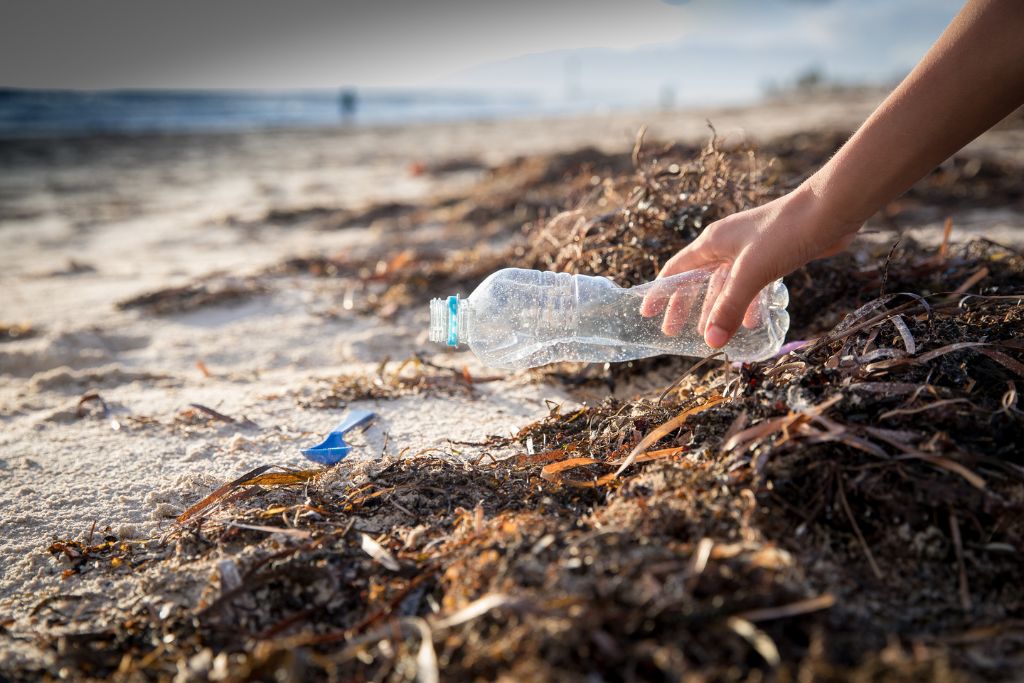
Every day, more than 30,000 metric tonnes of plastic leak into our oceans. In the face of ongoing opposition from a small minority of oil-producing states, WWF urges high-ambition countries to be courageous and willing to move ahead with developing an effective treaty despite this opposition. With the next round of negotiations in Ottawa, Canada, only 5 months away, progressive countries must use this time wisely and stay focused on developing the set of legally binding rules, which the majority of governments and many leading businesses have already called for.
“Negotiators were tasked by the UN Environment Assembly to develop a treaty that ends plastic pollution. Every minute that we delay, we add to the toxic legacy that we are leaving to future generations. It will not be easy but we know what we need to do. Countries must move on quickly in specifying and agreeing on the rules that are necessary to solve this plastic pollution crisis,” said Eirik Lindebjerg, Global Plastics Policy Lead, WWF International.
“An overwhelming number of countries understand the urgency of the problem and are ready to put us on the path to ending plastic pollution. In the face of ongoing challenges, it is critical that these countries continue to demonstrate their determination to fight for strong and legally binding measures that can enable the historic shift needed to undo what decades of indifference and ignorance have brought upon us.”
Despite obstruction by a small number of countries, a significant majority of countries support moving forward with a comprehensive and robust treaty. More than 100 countries support global bans and phase-outs of the most harmful and avoidable plastics, and 140 countries want to establish global binding rules as opposed to a treaty based solely on voluntary actions, which some countries are pushing for.
At this round of talks, negotiators worked on a draft treaty text for the first time, with many bringing forward constructive options to strengthen proposed global rules across the whole plastic ‘lifecycle’ – from extraction of oil and gas to make plastic, through to design for reuse and repair, and safe disposal.
With no formal plan for work over the next six months, WWF is calling on countries to advance information gathering and sharing on their own to ensure that the process does not stagnate in the next five months.
Over the week, negotiators, especially those from low- and middle-income regions including Africa, Latin America and the Pacific Islands, showed strong leadership in proposing rules to tackle plastic pollution. These regions stood firm on the need to regulate the uncontrolled production and design of plastic materials and products that are currently overwhelming their management capacities. WWF recently released a report warning that the true cost of plastic on the environment, health and economies can be as much as 10 times higher for low-income countries, even though they consume almost three times less plastic per-capita, than high-income ones.
“Proposals for voluntary national measures and a sole focus on waste management will only continue to increase the burden for the countries that are today the hardest hit by the plastic pollution crisis. A global treaty with binding rules for elimination and safe circulation of plastics, along with robust financial support, is our best hope for the level playing field which is desperately needed if we are to to tackle the challenges felt by people and the environment in the Global South,” said Alice Ruhweza, Senior Director for Policy and Engagement, WWF International.
With only two negotiating sessions left to agree on a global plastics treaty before the end of 2024, WWF calls on countries to make the most of the time leading up to the Ottawa talks to mobilize the political support and prepare the technical basis needed to make the meeting a turning point in the negotiations. The talks in Nairobi have brought concrete proposals to the table and identified areas of disagreement. In Ottawa, countries need to start actual negotiations and rally around provisions with majority support.
“The negotiators must be guided, not by what the least ambitious countries are prepared to accept, but by the urgency of the plastic pollution crisis happening outside the conference rooms. The meeting in Ottawa can be this turning point,” added Eirik Lindebjerg, Global Plastics Policy Lead, WWF International.
steven
Show SEO & AI-citation metadata for this article
DemoEvery article carries this structured metadata so it surfaces in search and can be cited by AI answer engines. In the back end, a person posting fills these in, or the AI layer drafts them.